
Is Professional Teeth Whitening Right for You?
You’ve decided you want a brighter smile, but how do you know if professional teeth whitening is actually safe and effective for your specific situation? Not everyone qualifies for whitening treatments, and attempting to whiten teeth with underlying dental issues can lead to pain, sensitivity, and disappointing results.
At the Edward J. Ambis Center for Dental Medicine in Ithaca, Dr. Ambis performs thorough evaluations before any whitening treatment. His 40+ years of experience mean he can quickly identify whether you’re a good candidate or if other issues need addressing first. We welcome patients from Cortland, Elmira, and Syracuse who want honest assessments about their whitening options.
Think you might be a candidate? Call our dental clinic in Ithaca at (607) 272-1874 today to schedule your evaluation and find out which whitening approach works best for your dental health.
Our Dental Team at the Edward J. Ambis Center for Dental Medicine
 Dr. Edward Ambis brings over 40 years of clinical experience and advanced training from SUNY Buffalo School of Dentistry to every patient evaluation. As a Diplomate of the International Congress of Oral Implantologists and a fellow at the Misch Institute, he has the expertise to assess complex dental situations and recommend appropriate treatments.
His reputation for conservative, honest dentistry means he won’t recommend whitening if you’re not a good candidate. Patients consistently praise his straightforward communication and refusal to push unnecessary treatments. Located on a quiet residential street in Ithaca, his family-run practice with wife Dottie and team members like Sara provides personalized care focused on your long-term oral health, not just cosmetic quick fixes.
Qualifying for Professional Whitening Treatments
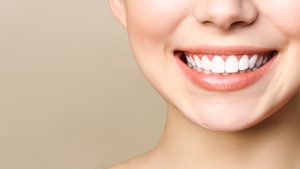 Professional teeth whitening candidacy refers to whether your oral health, age, lifestyle factors, and dental history make you suitable for whitening treatments. Dentists evaluate factors like existing cavities, gum health, enamel condition, pregnancy status, and previous dental work to determine if whitening is safe and likely to produce desired results. Being a good candidate for teeth whitening means you can undergo treatment without excessive sensitivity, achieve noticeable improvement, and maintain results long-term without complications.
Essential Health Requirements for Professional Teeth Whitening Treatments
Your oral health status directly impacts whether whitening is safe and effective. Dr. Ambis won’t proceed with treatment until certain conditions are met or resolved.
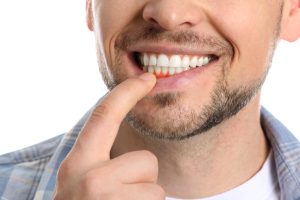 You must have healthy gums. Active gum disease, like gingivitis or periodontitis, disqualifies you from whitening until the infection is treated. Whitening gel irritates inflamed gum tissue severely, causing pain and potentially worsening the infection. Red, swollen, or bleeding gums need periodontal treatment before any cosmetic procedures.
Cavities must be filled first. Whitening gel penetrates tooth decay and reaches the sensitive nerve inside, causing extreme pain. Dr. Ambis identifies and fills all cavities before whitening. This also prevents the gel from weakening already compromised tooth structure.
Exposed tooth roots require evaluation. Receding gums that expose root surfaces create sensitivity issues during whitening. Roots lack the protective enamel layer that covers tooth crowns, making them extremely sensitive to bleaching agents. Depending on severity, you may need gum grafting or alternative cosmetic options.
Age Considerations for Teeth Whitening Treatments
Professional teeth whitening works best for adults with fully developed enamel. Age restrictions exist for important developmental reasons.
 Teenagers
Minimum age is typically 18 years old. Teenagers have thinner enamel that’s still mineralizing and more porous than adult enamel. Whitening agents can penetrate too deeply, causing lasting sensitivity or damage to developing tooth structure. Their teeth also tend to be naturally brighter, making whitening unnecessary.
 Seniors
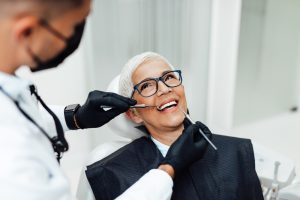
No upper age limit exists. Seniors can safely whiten teeth as long as they meet health requirements. However, older adults often have more extensive dental work, thinner enamel from decades of wear, and increased sensitivity that requires treatment modifications.
 Why dentists postpone whitening during pregnancy:
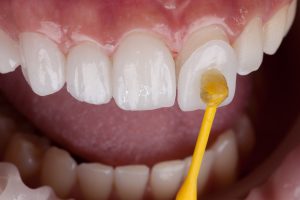 Restorations that won’t whiten: