
Protecting Your Family’s Smiles, One Tooth at a Time
Cavities don’t have to be inevitable. While brushing and flossing are essential, some teeth have deep grooves that trap food and bacteria, no matter how well you clean. That’s where dental sealants come in. This simple, painless treatment creates a protective shield over your most vulnerable teeth, dramatically reducing cavity risk for both children and adults.
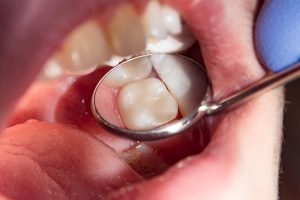 Our Ithaca dentist, Dr. Edward Ambis, has been protecting smiles in his community for over 40 years. At Ambis Dental, we believe prevention is always better than treatment. Dental sealants represent one of the most effective tools we have to keep your family’s teeth healthy and strong.
If you’re looking for preventive dental care in Ithaca that actually works, you’ve come to the right place. Our residential office welcomes patients from Lansing, Dryden, and Trumansburg. Call us today at 607-272-1874 to learn how sealants can protect your smile.
Why Choose Ambis Dental for Dental Sealants
Sealants might seem straightforward, but proper application makes all the difference in how well they work and how long they last. Here’s what sets our approach apart:
- Four decades of preventive dentistry experience mean we’ve seen what works and what doesn’t. Dr. Ambis has sealed thousands of teeth over his career, perfecting the technique that ensures maximum protection.
- Gentle care for anxious patients and children. We take extra time to explain the process, answer questions, and make sure young patients feel comfortable and safe during their appointment.
- Advanced isolation techniques that keep teeth completely dry during application. Even slight moisture can compromise sealant bonding, so we use proven methods to ensure perfect adhesion every time.
- Thorough tooth preparation, including careful cleaning and etching that creates the ideal surface for long-lasting sealant retention.
- Follow-up monitoring at every checkup to verify sealants remain intact and effective, with touch-ups performed as needed at no additional charge.
 What Are Dental Sealants?
Dental sealants are thin, protective plastic coatings painted onto the chewing surfaces of back teeth to prevent cavities. The molars and premolars have deep pits and grooves that trap food particles and bacteria, making them difficult to clean with brushing alone. Sealants fill these vulnerable fissures, creating a smooth, easy-to-clean surface that blocks out decay-causing bacteria.
Types of Dental Sealant
Not all sealants are created equal, nor arethey all offered at Ambis Dental. We select the best material based on your specific needs. The most common types of dental sealants include:
- Resin-based sealants are our most common choice. This durable plastic material bonds tightly to tooth enamel, creating a clear or tooth-colored coating that’s virtually invisible. Resin sealants typically last five to ten years with proper care and offer excellent protection for most patients.
- Glass ionomer sealants combine acrylic and glass powders that release fluoride over time. These may be recommended for teeth that are difficult to keep dry during application or for patients who need extra fluoride protection. They’re particularly useful for younger children who may have trouble sitting still.
- Composite resin sealants provide the highest strength and longevity. These premium materials are used for patients at very high cavity risk or those who grind their teeth. They cost slightly more but can last significantly longer than standard resin options.
Benefits of Dental Sealants
The advantages of sealing vulnerable teeth extend far beyond simple cavity prevention:
- Dramatic cavity reduction in sealed teeth. For children’s permanent molars, this protection during high-risk years can make the difference between a lifetime of healthy teeth and ongoing dental problems.
- Painless prevention beats painful treatment every time. Getting sealants involves no drilling, no shots, and no discomfort. The entire process takes just minutes per tooth and feels like nothing more than having your teeth polished.
- Cost savings add up quickly. A single sealant costs a fraction of what you’d pay for a filling, and dramatically less than a crown or root canal. Most dental insurance plans cover sealants for children at 100%, making this protection essentially free.
- Protection during vulnerable years. The first few years after permanent molars come in are when they’re most susceptible to decay. Sealants provide a shield during this critical window, giving teeth time to strengthen through fluoride exposure and maturation.
- Easier home care for everyone. The smooth surface created by sealants makes brushing more effective. Food and plaque slide right off instead of getting trapped in deep grooves. Parents of children with sealants often report much easier tooth brushing at home.
- Peace of mind knowing you’ve done everything possible to protect your family’s teeth. Many parents wish they’d known about sealants when they were young. Now you can give your children an advantage you might not have had.
Who Makes a Good Candidate for Dental Sealants?
Almost anyone with deep grooves in their back teeth can benefit, but we especially recommend sealants for:
 Children ages six to 14, as their permanent molars come in. The first molars typically erupt around age six, and the second molars around age twelve. Sealing these teeth shortly after they emerge provides maximum protection during high-risk years.
- Teenagers with cavity-prone teeth who struggle with oral hygiene or have a history of decay. Even if molars have been in for years, sealing them can prevent future problems.
- Adults with deep pits and fissures that trap food and bacteria. Many people assume sealants are only for children, but adults with grooved teeth benefit equally from protection.
- Patients with high cavity risk due to dry mouth, frequent snacking, sugary diets, or medical conditions affecting oral health. Sealants add an extra layer of defense when other risk factors are present.
- Individuals with special needs who may have difficulty with thorough brushing. Sealants reduce the cleaning burden and help prevent cavities in patients who struggle with oral hygiene.
- Anyone wanting to avoid future dental work. Prevention-minded patients who would rather invest a small amount now than deal with cavities later are ideal candidates.
- People with braces or orthodontic appliances that make cleaning more challenging. Sealants protect hard-to-reach areas during orthodontic treatment.
The Dental Sealant Application Process
Step 1: Tooth Cleaning and Preparation
We thoroughly clean each tooth, removing all plaque, debris, and surface stains. This step is essential because sealants bond best to pristine enamel. We use a special polishing paste that cleans without damaging the tooth surface.
Step 2: Tooth Isolation and Drying
Moisture is the sealant’s enemy. We carefully isolate the teeth using cotton rolls or a rubber dam, then dry them completely with air. This creates the ideal bonding environment and ensures sealants will adhere properly and last for years.
Step 3: Etching Solution Application
A mild acidic solution goes onto the chewing surface for about 15 seconds. This etching creates tiny microscopic roughness in the enamel that helps the sealant grip tightly. The solution is then thoroughly rinsed away, and the tooth is dried again.
Step 4: Sealant Material Application
We carefully paint the liquid sealant material into all the grooves and pits of the tooth. The consistency is similar to nail polish, flowing easily into every crevice. We make sure complete coverage reaches all vulnerable areas.
Step 5: Curing and Hardening
A special blue curing light shines on the sealant for about 20 seconds, hardening it instantly into a durable plastic coating. The sealant goes from liquid to solid in moments, bonding permanently to your tooth.
Step 6: Final Check and Polish
Dr. Ambis checks your bite to ensure the sealant doesn’t interfere with how your teeth come together. Any high spots are smoothed away, and the sealed tooth is polished to a natural finish. The entire process takes just a few minutes per tooth.
Caring for Your Sealed Teeth
Sealants are durable, but proper care helps them last as long as possible:
 Brush twice daily with fluoride toothpaste just like you always have. Sealants don’t change your oral hygiene routine. The smooth surface actually makes brushing easier and more effective.
- Floss daily between all teeth. Sealants protect chewing surfaces but don’t help the sides of teeth where they touch. Regular flossing remains important for complete cavity prevention.
- Avoid chewing ice, hard candy, or other extremely hard foods that could crack or chip the sealant material. While sealants are strong, excessive force can damage them.
- Keep regular dental checkup appointments every six months. We inspect sealants at each visit, checking for wear, chips, or areas that need touching up. Early intervention keeps protection intact.
- Skip the sticky foods when possible. Caramels, taffy, and very sticky candies can pull at sealant edges. While occasional treats are fine, daily exposure to sticky substances may reduce sealant lifespan.
- Don’t grind your teeth without protection. If you clench or grind, a nightguard protects both your teeth and your sealants from excessive wear.
- Maintain good nutrition with limited sugary snacks and drinks. Sealants provide excellent protection, but they work best as part of an overall healthy lifestyle that includes smart food choices.
When you’re looking for reliable preventive care your whole family can count on, Ambis Dental delivers. Dr. Ambis takes time to thoroughly seal teeth and explain exactly how to maintain them. Whether you’re in Ithaca, Lansing, Dryden, or Trumansburg, protecting your smile from cavities starts with one phone call. Reach us at 607-272-1874 to schedule sealant appointments for everyone who needs them.
Sealant Investment and Payment Options
Dental sealants represent one of the most cost-effective preventive treatments available:
Most sealants cost between $30 and $60 per tooth, a fraction of what you’d pay for a filling that could run $150 to $300, or a crown costing $1,000 or more. The small upfront investment prevents much larger expenses down the road.
- Insurance coverage for children is typically excellent. Most dental plans cover sealants at 100% for patients under 18 with no out-of-pocket cost. Adult coverage varies by plan.
- Number of teeth sealed affects the total cost. We usually seal the four permanent molars that are most cavity-prone, though premolars can be sealed too if they have deep grooves.
- Material choice slightly impacts price. Premium composite resin sealants cost more than standard resin but last longer. We’ll discuss options that fit your budget.
- Family discounts and payment plans make protecting multiple children affordable. We never want cost to prevent families from getting the preventive care they need.
Important Considerations About Dental Sealants
 When Sealants May Not Be Right
Sealants work wonderfully for prevention, but aren’t appropriate in every situation. We won’t seal teeth that already have cavities, as this would trap decay underneath and make the problem worse. Existing decay must be removed and filled first. Similarly, teeth with very shallow grooves may not need sealants since they’re already easy to clean. We only recommend treatments that actually benefit you.
What About Existing Fillings?
Teeth with large dental fillings covering the chewing surface don’t need sealants because the filling already protects those areas. However, we can sometimes seal the grooves adjacent to smaller fillings, providing protection for the remaining natural tooth structure.
Possible Limitations
While sealants dramatically reduce cavity risk on chewing surfaces, they don’t protect the sides of teeth where cavities can also form. You still need to floss daily and maintain good overall oral hygiene. Sealants are one powerful tool in cavity prevention, not a complete solution by themselves. Think of them as a supplement to brushing and flossing, not a replacement.