
Keep Your Smile Brighter, Longer After Your Teeth Whitening Procedure
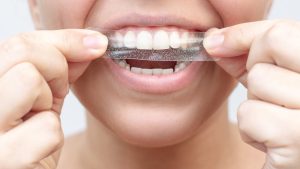 You just spent hundreds of dollars on professional teeth whitening. Your smile looks incredible. That beautiful brightness you’re admiring in the mirror right now? It needs protection, maintenance, and the right daily habits to last.
Most people think teeth whitening is a one-and-done treatment. The reality is different. Your teeth are constantly exposed to staining substances, and your enamel is naturally porous. What you do in the days and weeks after your whitening treatment determines whether your results last six months or three years. We welcome patients from Lansing, Dryden, and Trumansburg who want their whitening results to go the distance.
Ready to protect your bright smile? Call our Ithaca dentist near you at (607) 272-1874 for personalized aftercare strategies that keep your teeth looking their best.
Edward J. Ambis Center for Dental Medicine Differentiators
Four-Decade Commitment to Conservative Dentistry
Dr. Ambis has built his reputation on never pushing unnecessary treatments. If your whitening results are still bright, he’ll tell you to skip the touch-up and save your money. This honest approach builds trust and saves patients thousands over their lifetime.
Family Practice With Personal Follow-Up
Dottie personally calls patients within 48 hours after whitening treatments to check on their progress, answer questions, and ensure they’re following aftercare protocols. This level of personal attention is unheard of at corporate dental chains.
Same-Location Stability for 40+ Years
Dr. Ambis has served the same Ithaca neighborhood for over four decades. Many patients have been coming to him since he first opened, and now bring their children and grandchildren. This longevity speaks to consistent quality and community trust.
Active in Local Community
Dr. Ambis plays hockey weekly at local Ithaca rinks and is a familiar face around town. His connections to the community mean he understands local lifestyles, dietary habits (yes, he knows about all those great Ithaca coffee shops and wineries), and can provide practical aftercare advice that actually fits how you live.
How Important Are the 48 Hours After Professional Teeth Whitening Treatment?
Many dentists say the two days immediately following your whitening treatment are absolutely critical. Your tooth enamel undergoes a chemical process during whitening that temporarily makes it more porous and vulnerable. Think of it like dyeing fabric. When fabric is wet and its fibers are open, dye penetrates deeply and permanently. Your teeth work the same way after whitening. The bleaching process opens microscopic pores in your enamel, and those pores remain open for about 48 hours.
While this theory is widely accepted in dental practice, clinical research has produced interesting findings. A systematic review and meta-analysis published in the Dentistry Journal examined multiple clinical trials and found that dietary restrictions during and after bleaching procedures did not produce statistically significant differences in tooth color outcomes. Patients who consumed staining beverages like coffee, wine, and cola showed similar color retention to those who avoided them.
However, this doesn’t mean diet is irrelevant to long-term maintenance; it reflects that the immediate bleaching results are quite stable even when exposed to staining agents.
What Steals Your Smile’s Brightness?
Knowledge is power when it comes to aftercare. Understanding exactly what causes teeth staining helps you make smarter choices about what you consume and when. Not all staining substances are equal, and some are far more damaging than others.
Chromogens are pigmented molecules that attach to tooth enamel. Foods high in chromogens include berries, tomatoes, and deeply colored sauces. These molecules don’t just sit on your tooth surface; they bond with enamel proteins and become embedded over time.
Tannins are plant compounds that make chromogens stick to teeth more aggressively. Coffee, tea, and red wine are loaded with tannins. This is why coffee creates such stubborn stains compared to other beverages. The tannins essentially act like glue, helping dark pigments adhere to your enamel.
Acids weaken tooth enamel by temporarily softening it, making staining worse. Citrus fruits, sodas, wine, and sports drinks all contain acids that erode enamel’s protective surface. When enamel is compromised, stains penetrate more easily and bond more permanently.
Five Essential Aftercare Strategies That Actually Work
1. Master Your Oral Hygiene Timing
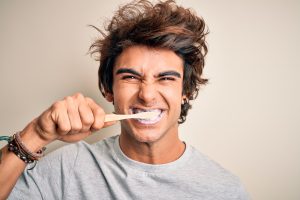 Brushing is essential, but timing matters more than most people realize. Many patients make the mistake of brushing immediately after consuming acidic foods or drinks. This actually damages enamel because acids temporarily soften your tooth surface. Brushing during this vulnerable period scrubs away microscopic amounts of enamel with each stroke.
The correct approach:
- Rinse your mouth with water immediately after eating or drinking anything staining
- Wait 30-60 minutes before brushing to let saliva neutralize acids
- Brush twice daily for two full minutes using soft bristles
- Use gentle circular motions rather than aggressive scrubbing
- Floss at least once daily to remove particles between teeth where staining accumulates
2. Use Whitening Toothpaste Strategically (Not Daily)
Whitening toothpaste seems like an obvious aftercare tool, but overuse causes more harm than good. These products contain mild abrasives that remove surface stains through mechanical action. Daily use can wear down enamel over time, creating a rougher tooth surface that actually stains more easily.
Dr. Ambis’s recommendation:
- Use whitening toothpaste two to three times per week, maximum
- Alternate with regular fluoride toothpaste on other days
- Choose products with the ADA Seal of Acceptance
- Look for low RDA (Relative Dentin Abrasivity) ratings under 100
- Stop immediately if you experience increased tooth sensitivity
Best whitening toothpastes for maintenance:
- Sensodyne Pronamel Gentle Whitening (RDA: 70) — best for sensitive teeth
- Crest 3D White Brilliance (RDA: 90) — moderate whitening power
- Tom’s of Maine Simply White (RDA: 67) — natural option with lower abrasion
3. Modify How You Consume Staining Beverages
 You don’t need to give up coffee forever, but you do need to change how you drink it. Small modifications to your consumption habits make enormous differences in how long your whitening lasts.
Four game-changing techniques:
Use a straw for everything possible. This bypasses your front teeth entirely, minimizing contact with the most visible tooth surfaces. Yes, even for coffee and tea. Reusable metal or silicone straws work great and are more environmentally friendly than disposable options.
Drink quickly rather than sipping constantly. Nursing a coffee for two hours exposes your teeth to staining compounds repeatedly. Drinking it within 15-20 minutes limits exposure time significantly.
Add dairy to lighten beverages. Milk or cream in coffee reduces the concentration of staining tannins and changes the chemical composition, making stains less likely to bond. The proteins in milk may also interfere with tannin attachment to enamel.
Rinse with water immediately after. Swish water around your mouth for 30 seconds after finishing any dark beverage. This washes away residual staining compounds before they have time to penetrate enamel pores.
4. Schedule Professional Maintenance
Home care is essential, but professional maintenance appointments are what truly extend your whitening results long-term. Dr. Ambis recommends cleanings every six months for most patients, though some need them every four months depending on their staining risk factors.
What happens during maintenance cleanings:
- Hygienists remove tartar buildup that traps staining particles
- Professional polishing removes surface stains before they penetrate
- Fluoride treatments strengthen enamel and reduce sensitivity
- Early detection of new problem areas allows quick intervention
The cost-benefit analysis is clear. Six-month cleanings cost $75-$150 each. Skipping them and needing full whitening retreatment costs $500-$1,000. Regular maintenance saves hundreds of dollars while keeping your smile consistently bright.
5. Plan Touch-Up Treatments Proactively
 Even with perfect aftercare, your teeth will gradually lose some brightness over time. This is natural and expected. The key is catching it early with minor touch-ups rather than waiting until significant fading occurs and needing complete retreatment.
Many patients ask whether they can use over-the-counter whitening strips for touch-ups instead of professional treatments. The short answer is that strips provide minimal maintenance at best. They contain only 6-10% peroxide compared to the 15-35% in professional products. Strips also don’t conform well to tooth contours, leaving uneven results. For true touch-ups that restore your original brightness, professional treatments remain necessary.
Common Aftercare Mistakes That Ruin Professional Teeth Whitening Treatment Results Fast
Dr. Ambis sees these mistakes regularly in his Ithaca practice. Avoiding them protects your investment and extends your results significantly.
Thinking Acidic Foods Are Safe Because They’re Not Dark
White wine, citrus fruits, and sports drinks don’t stain directly, but their acidity erodes enamel and makes future staining worse. The weakened enamel surface absorbs pigments more readily.
Brushing Too Hard With Firm Bristles
Aggressive brushing scratches enamel microscopically, creating rough surfaces where stains accumulate. Soft bristles and gentle pressure are always better. Replace your toothbrush every three months when the bristles start fraying.
Using Mouthwash With Artificial Coloring
Many mouthwashes contain dyes that gradually stain teeth over time. Choose clear, alcohol-free mouthwashes instead. The alcohol in traditional mouthwashes also dries out your mouth, reducing saliva production and natural stain protection.
Ignoring Dry Mouth Symptoms
Saliva naturally washes away staining compounds and neutralizes acids. Dry mouth from medications, medical conditions, or dehydration accelerates staining dramatically. Stay well-hydrated and consider saliva-stimulating products if necessary.
Skipping Flossing
Stains between teeth are just as visible as front surface stains when you smile. Flossing removes trapped food particles and prevents those interdental spaces from yellowing while the rest of your teeth stay white.